FAQ
Cost, timescale and what to look for on any quote you are given for drain cleaning work in Gardena. Straight answers.
Cost, timing and what to ask
The eight questions that actually decide drain cleaning, answered with published numbers.
My basement floor drain is clogged. How can I unclog it?
If you are in Gardena, the first thing worth saying is that you almost certainly do not have one. Southern California builds slab-on-grade or crawl space — a slab moves with the ground in an earthquake rather than resisting it, the clay soils here would want piles or caissons, there is no frost line forcing footings deep, and a slab runs $12,000 to $28,000 against $70,000 to $100,000 for an unfinished basement. So the advice you have found was written somewhere else. The fixture that does the job a basement floor drain does here is your shower or your tub: it is usually the lowest point in the system, and it is where a main-line blockage shows itself first. If it pools when the washing machine empties, stop using water and treat it as a main line.
What can I put in my basement floor drain to unclog it?
Nothing, and not because the products are bad — because on a slab house there is no floor drain to put it in. The access point that matters here is a cleanout OUTSIDE, at the wall or out by the curb, and it is the thing worth knowing the location of before you need it. It is also what every advertised drain price quietly assumes: a $49 advert buys a cable through an accessible cleanout and nothing more. If yours has been paved over, planted over or built over, that price was never going to apply to your house, and finding that out at eleven at night is the expensive way.
Can I pour drano down a basement floor drain?
On slab-on-grade construction, a caustic cleaner is a worse bet than the label suggests, and for a reason that is about your foundation rather than about chemistry. Those products work by generating heat inside a closed pipe. In a basement house, a joint they damage leaks onto a floor you can see, and the repair is reachable. Under a slab, the same joint leaks under six inches of concrete: you find out from the flooring months later, and the repair is concrete work. There is also a practical point — when it fails to clear a blockage it stays there, hot, and whoever opens the line afterwards meets it first.
What will unclog a drain fast?
Mechanically, and in this order. A plunger with the overflow blocked off, which is the step most people skip and the reason plunging often seems not to work. Then a hand snake past the trap, which costs about twenty dollars and solves a great many shower and sink drains. If neither moves it, the blockage is past the trap and into the line, and that is a machine through the cleanout rather than anything you can pour. None of this is fast in the sense the question hopes for, but all of it is faster than waiting for a product to work and then calling anyway.
What is the most powerful drain cleaner available?
Strength is the wrong axis, and on a slab house it is actively the wrong thing to optimise for. The products sold on power are the ones that generate the most heat inside a closed pipe, and the pipe in question is under your floor where nothing about its condition is visible and nothing about its repair is cheap. What actually removes a blockage is something physical: a cable that takes the deposit off the wall, or water at pressure that cuts it away. The difference is that chemistry bores a channel through the middle of a blockage and leaves the rest, which is why the same drain blocks again six weeks later.
What are the three rules of plumbing?
It is a trade saying rather than a standard, and the usual version is: water runs downhill, hot is on the left, and do not chew your fingernails. The first one is the only one that matters to a homeowner, and it matters more here than the joke suggests. Drainage has no pump — it works entirely on fall. That is why a belly in a line, a section that has settled so it holds water, cannot be fixed by cleaning it: there is nothing wrong with the pipe except its angle. It is also why the fixtures lowest in a house are the ones that report trouble first, which on slab construction is your shower rather than the floor drain you do not have.
How far below the bottom of a sink should the drain pipe be?
The figure people are usually looking for is the trap arm: it should fall about a quarter of an inch per foot toward the stack, and the distance from the trap weir to the vent is capped by code according to pipe size. But the question behind the question is generally 'why does my sink drain slowly when nothing is blocked', and the answer is usually that a run was extended during a kitchen or bathroom remodel without keeping its fall. That is common in houses here, where a modern fixture frequently drains into whatever was already under the slab. It is not a blockage, and no amount of clearing improves it.
How many toilets can be on a 4 inch drain?
More than any house has — a four-inch building drain carries a large number of fixture units, and residential plumbing is nowhere near the limit. Which means if several fixtures in your house are slow at once, capacity is not the explanation and you should stop looking for one. Something is restricting a line that was sized with room to spare: scale narrowing cast iron from the inside, roots at a joint, a belly holding water, or an obstruction. Those are four different problems with four different answers, and a camera distinguishes them in about a minute.
The prices, in one place
Estimated ranges for Los Angeles County, and a written quote once the job is seen.
 01
01Drain Cleaning - $110 - $345
About $227 on average across la county.
See the job 02
02Main Sewer Line Cleaning - $200 - $450 snaked
Jetting $350-800.
See the job 03
03Emergency Drain Cleaning - $150 - $500
Most of these can wait, honestly.
See the job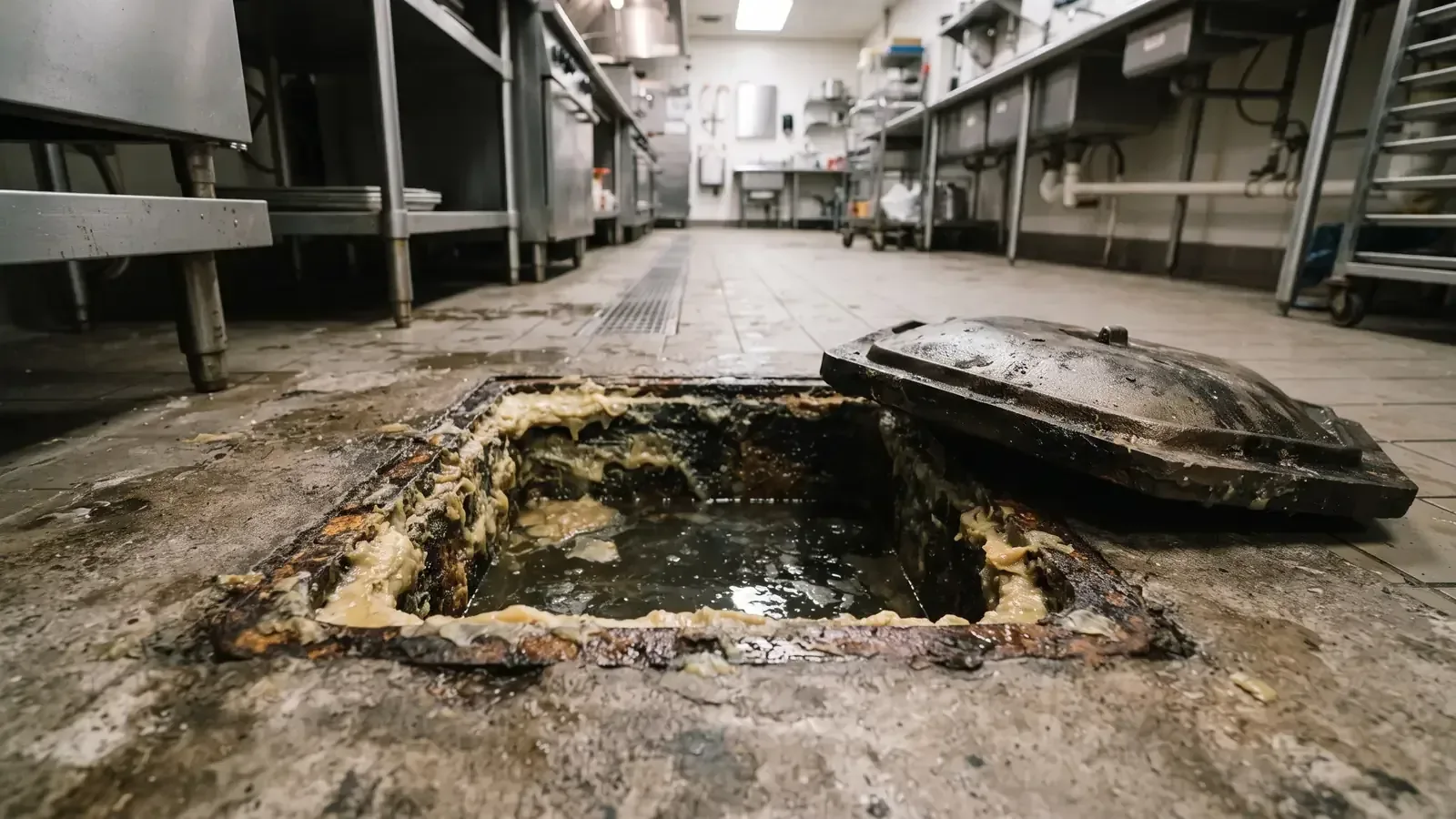 04
04Kitchen Drain Cleaning - $150 - $300
Grease is nearly always the cause.
See the job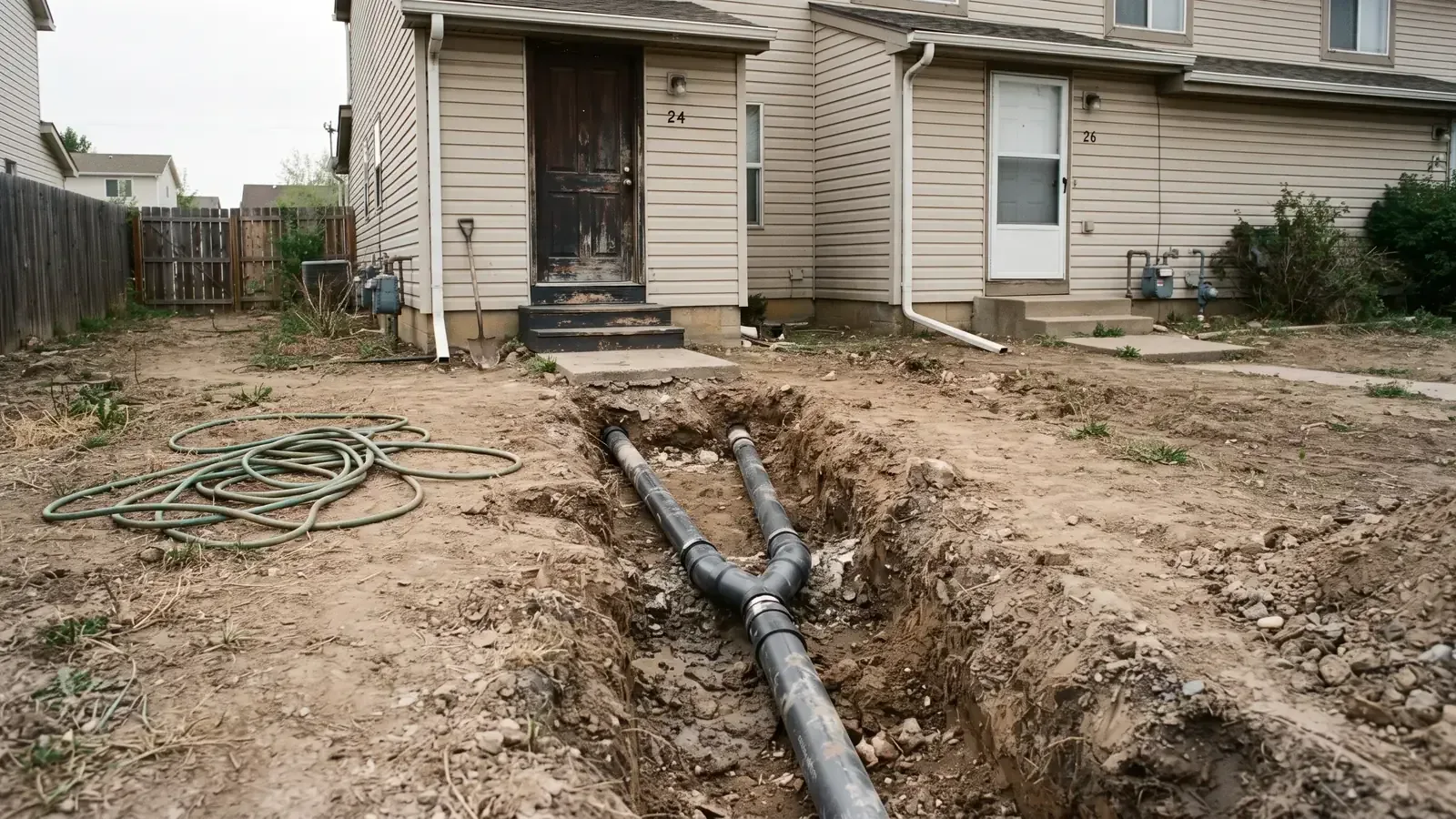 05
05Bathroom Drain Cleaning - $75 - $175
Hand snake past the trap.
See the job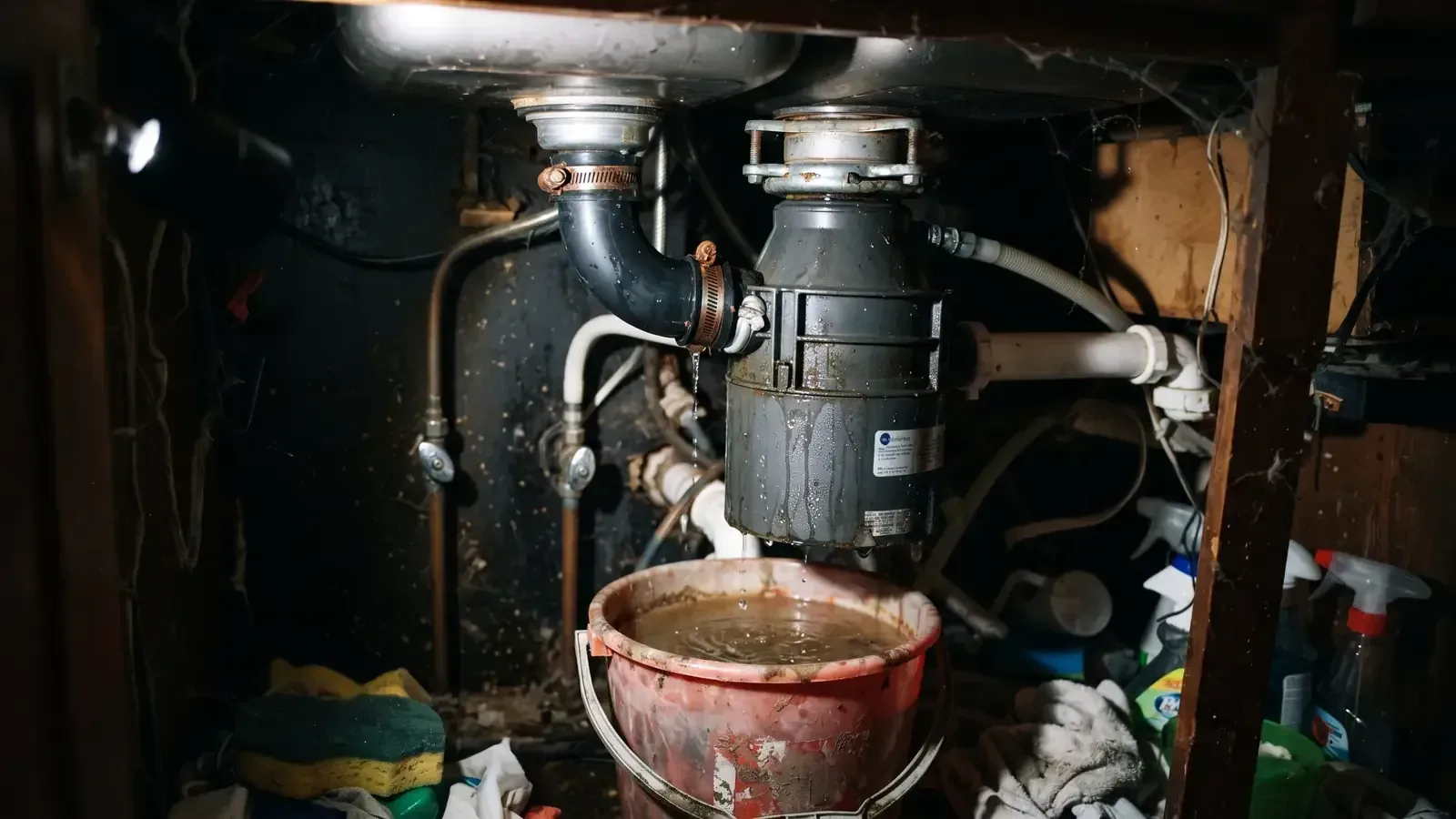 06
06Hydro Jetting - $350 - $800 on a main
Branch $250-500.
See the job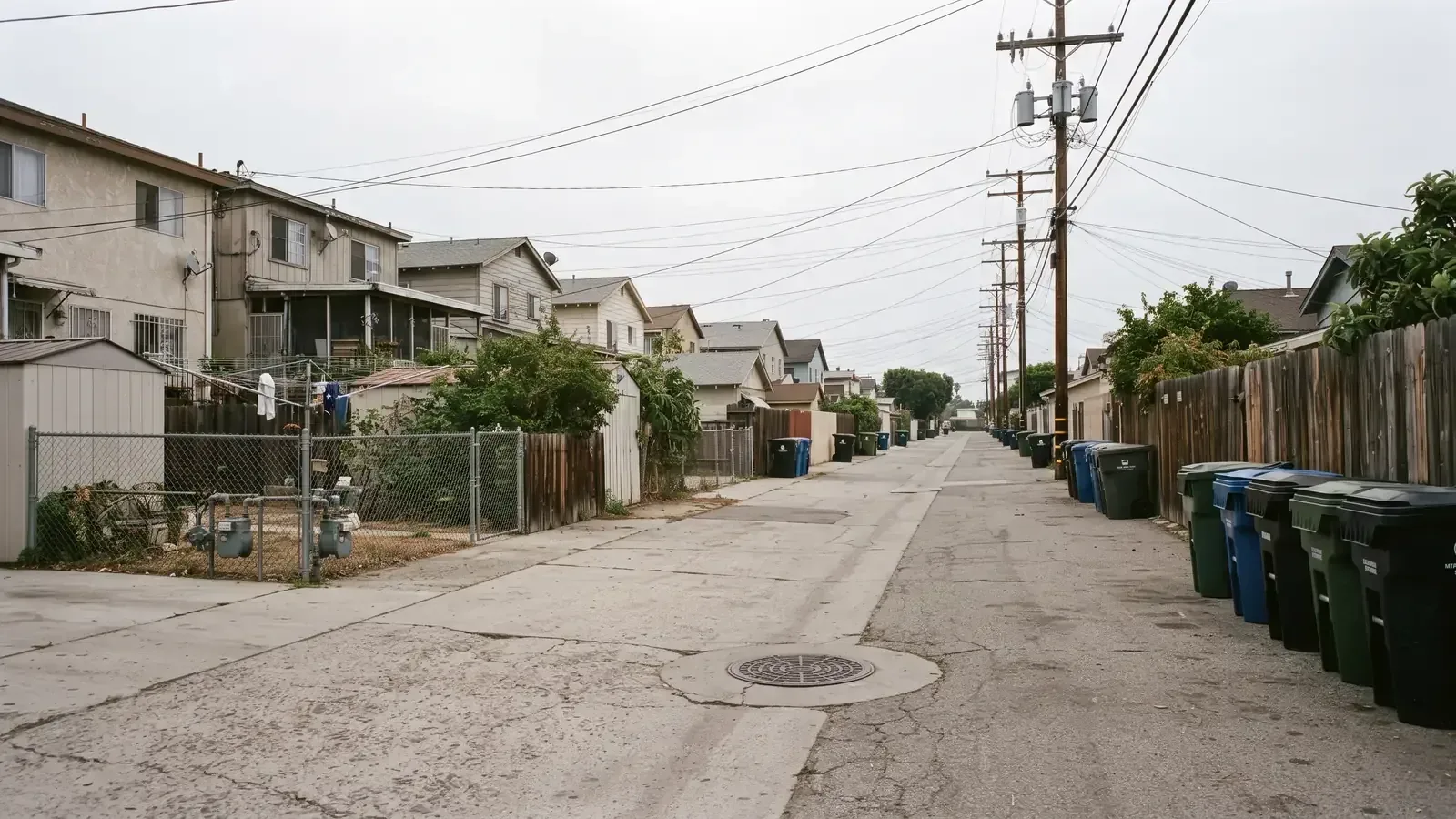
Want a figure on it?
The rate before we travel, and a fixed figure in writing before any work starts.